


IBCs for Hazardous Liquid Waste: Selection Guide
Select the packaging for a characterised hazardous liquid waste stream, not an unknown mixture. VARIBOX solutions must be selected for the exact chemical, equipment and operating requirements.


Safer

Reusable

Sustainable
Three checks before choosing an IBC for liquid waste
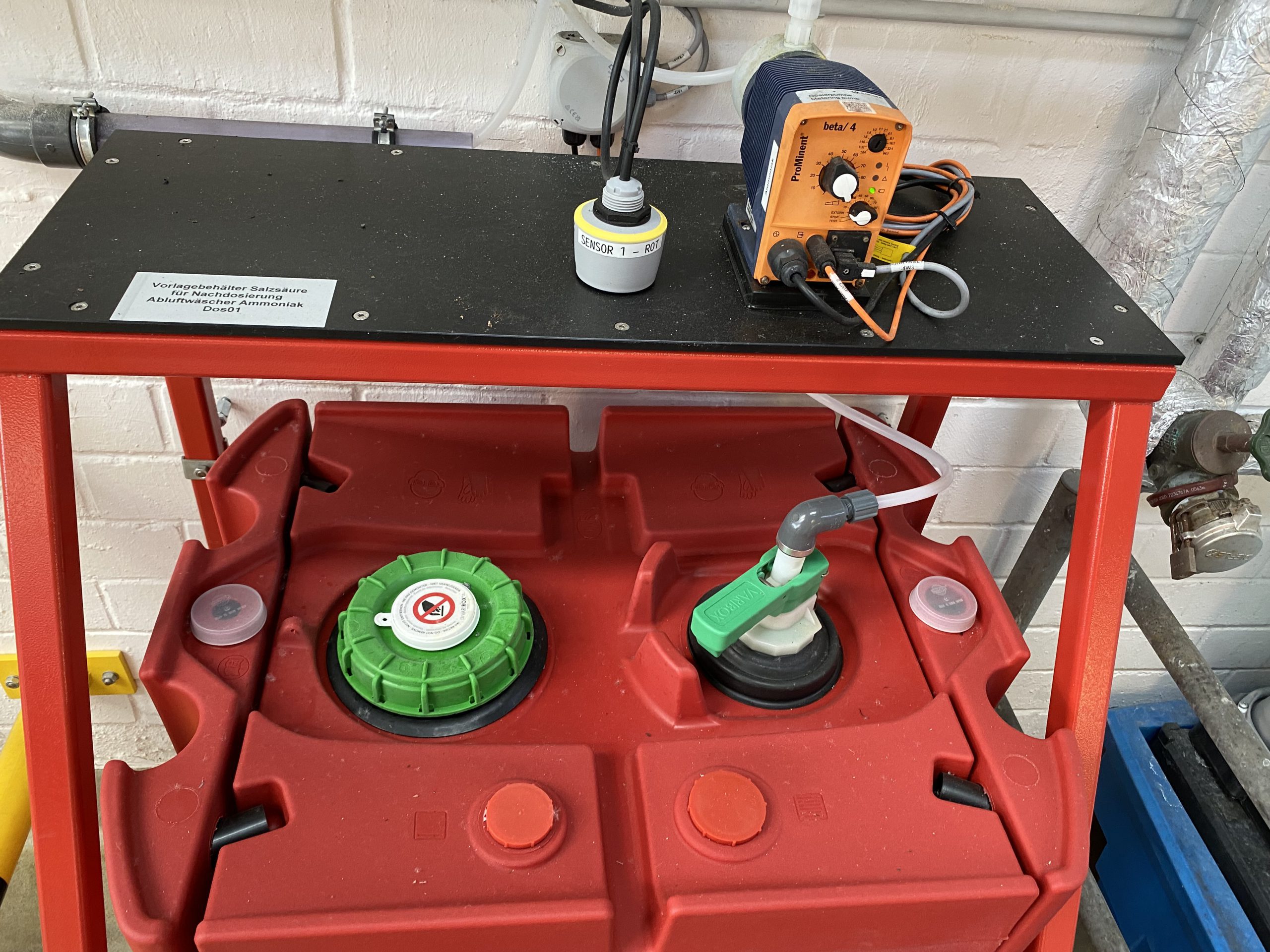
Chemical suitability

Connection and containment
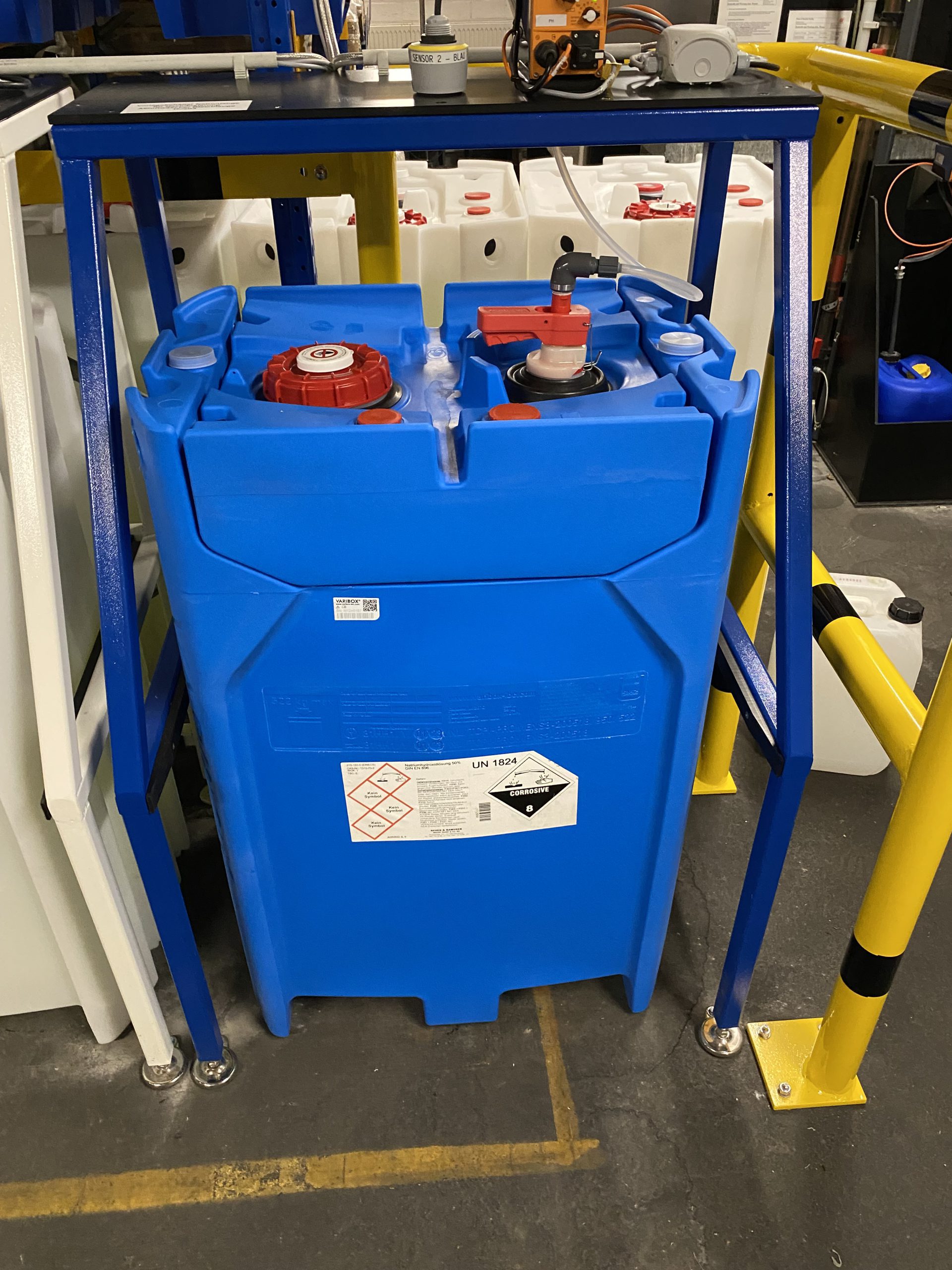
Operating and reuse procedure
Hazardous waste classification

Before selecting an IBC, establish exactly what the liquid waste contains. A well-characterised, recurring stream from one process is different from a mixed or unidentified waste. This distinction affects material compatibility, allowable packaging, closures, pressure behaviour and the procedures that must be followed at the filling and receiving sites.
The relevant waste holder and dangerous-goods specialists should confirm its classification and applicable transport or storage requirements. VARIBOX can then assess whether a particular approved chemical IBC configuration is worth considering. A product description such as “hazardous liquid” or “acidic waste” is not enough to establish suitability.
- Record the waste profile, known constituents and concentration range.
- Confirm classification, physical properties, density and temperature.
- Flag uncertainty, potential reactions, gases or changes between batches.
Decision point: If the composition or classification is not adequately known, characterise the liquid before choosing a VARIBOX container.
Choose an IBC by the application
An industrial IBC may be relevant for a defined liquid waste stream if its current design approval, construction and operating limits permit the intended use. The choice should account for the filling procedure, handling frequency, temporary storage conditions, transport route and how the receiver plans to empty it. None of those questions is answered by capacity alone.
VARIBOX offers different product concepts. Full Containment and Compact Containment incorporate a secondary barrier in their relevant designs, while Single Containment uses a heavy-duty bottom-valve arrangement. These features may influence a handling plan, but they are not automatic approvals for a waste stream and do not necessarily replace additional site protection.
- Select the nominal volume around the real delivery and handling pattern.
- Match the outlet or withdrawal system to an approved receiving process.
- Review the exact product documentation and all wetted components.
VARIBOX context: Compare Full Containment and Single Containment only after confirming the liquid and the applicable conditions.
Handling and transfer

A packaging choice should follow the waste stream from the filling area to the point at which it is received and emptied. Operators need a verified container identity, suitable connections, a clear movement route and documented procedures for incidents and routine changes. Variable residues or unexpected pressure can introduce additional hazards that must be assessed by qualified staff.
For the transfer step, the IBC outlet and the receiving equipment must form a suitable system. A top connection with an extractor tube and a lower valve have different access and disconnection considerations. Pumps, hoses, venting and control equipment are specified for the actual process; VARIBOX does not provide a general-purpose waste treatment or classification service.
- Before filling: verify approval, condition and filling limits.
- Before transport: verify closure, markings, records and handling.
- Before emptying: verify the receiving connection and residual-liquid procedure.
Practical rule: Assess the entire movement and transfer process, not just the secondary barrier or the UN mark.
When VARIBOX could be considered
A useful VARIBOX enquiry begins with a technical brief. State whether the stream is generated continuously or occasionally, whether its composition is stable, the amount to be collected and how long the filled packaging will be held. Include the existing packaging arrangement and the physical conditions at both the sending and receiving locations.
Also provide the intended filling and withdrawal equipment, any existing approval or inspection documents, and who will be responsible for returning, cleaning or retiring the container. This helps distinguish a genuine reusable-packaging opportunity from an application requiring a different waste-handling solution.
- Waste profile, classification, concentration, density and temperature.
- Requested volume, filling/emptying connections and transport route.
- Site requirements, inspection records and agreed end-of-use plan.
Next step: Share the brief through the contact form so the relevant VARIBOX configuration can be reviewed without making unverified chemical-compatibility claims.

Selection and operating checklist
Product and documentation
Identify the substance, concentration, safety data, packaging type, approval and inspection status.
Installation and handling
Confirm filling and withdrawal connections, process flow, operator procedures, containment, return and service requirements.
FIRST IDENTIFY THE LIQUID
Hazardous liquid waste is not one chemical category
A waste stream described only as ‘hazardous’ is not enough information to select packaging. Composition may be known and consistent, or it may vary between batches. That distinction matters for the IBC material, its closures, the legal transport classification and the way the liquid can be handled at a collection point.
Known, recurring streams
An industrial site may generate the same well-characterised liquid waste at regular intervals. The operator can provide the composition, relevant physical properties, previous packaging history and classification so an appropriate design can be assessed. Any change in the stream may require a new review.
Unknown or mixed streams
A mixture with uncertain constituents, contamination or reaction potential calls for qualified characterisation before considering an IBC. Do not put an unidentified waste in a reusable container and assume that a robust outer wall makes the contents acceptable.
The waste holder, transport specialist and competent personnel must confirm the applicable waste and dangerous-goods obligations. VARIBOX can discuss a product only when the liquid and its intended use are sufficiently defined.
PRODUCT MATCH
When Full, Single or Compact Containment might be relevant
A chemical IBC can be appropriate for certain classified waste liquids, but the VARIBOX family name is not itself an approval for hazardous waste. The relevant construction, material, closure, volume and documented limits must be considered together with the chemical and the receiving facility.
Integrated containment options
VARIBOX Full Containment and Compact Containment have an integrated secondary barrier in the applicable design. This can be relevant to handling plans where an approved double-walled package is needed, but does not automatically replace separate site protection or establish suitability for every waste stream.
Outlet and handling options
VARIBOX Single Containment uses a bottom-valve concept, while compatible Full and Compact Containment configurations can have a top-withdrawal connection. Which outlet is appropriate depends on the receiving process, residues, chemical compatibility and authorised transport configuration.
For an enquiry, provide the exact stream description, required capacity, anticipated density and temperature, applicable classification and the proposed filling and emptying arrangement. This prevents a generic recommendation from being mistaken for product approval.
Important: Only the current documentation for the exact container, approved use and chemical can establish whether a VARIBOX model is suitable.
HANDLING AND DOCUMENTATION
Planning filling, storage and dispatch of a qualified waste stream
Transport packaging, temporary storage and a connected process can be governed by different requirements. The practical IBC workflow therefore needs to be considered from the moment a known liquid enters the container until the recipient takes responsibility for it.
Before and during filling
Confirm that the selected IBC is eligible for the specific liquid and filling conditions. The filling station should address appropriate transfer connections, fill limits, pressure or venting considerations, contamination prevention and the container’s inspection status. These are engineering and operator responsibilities.
Before leaving the site
Verify closure integrity, labels and required information for the actual classification. The load, vehicle arrangement, documentation and recipient’s facilities must support the intended movement. Packaging design must not be used as a shortcut around waste-handling permits or transport rules.
At the receiving site, the container must be handled and emptied with a suitable procedure and compatible equipment. A double-walled design is only one part of that complete system.
AFTER COLLECTION
What happens to the IBC after the liquid is removed?
Waste-related packaging requires special attention to residues and container history. Reuse should be planned only for an eligible IBC with a documented service and inspection path. A container returned from waste duty should never be assigned automatically to a different chemical or customer.
Reuse with verified conditions
Where permitted, an operator may keep a container in a dedicated, controlled loop for a known liquid. Identification, condition checks, required testing and maintenance still matter. If cleaning is needed, the procedure and resulting waste must be managed appropriately.
End-of-life is a separate decision
If the container or a component is not eligible for the next intended use, authorised maintenance, replacement or end-of-life material recovery may be relevant. VARIBOX’s Return it programme concerns recycling and should not be confused with approval to refill the same package.
Further reading: authorised VARIBOX service companies and VARIBOX Return it. Packaging decisions for waste should always involve qualified people responsible for that stream.
Frequently asked questions
Not all hazardous waste is suitable for any given IBC.
Known composition and approvals are essential.
Does double-walled containment guarantee approval?
No. Secondary containment does not establish chemical or legal suitability.
Technical suitability must always be checked for the actual chemical and conditions.
Explore relevant VARIBOX solutions
Full Containment
Double-walled reusable industrial chemical IBCs with appropriate integrated containment design.

Single Containment
Reusable IBCs with a bottom-valve dispensing concept for relevant applications.

Compact Containment
A 250-litre reusable double-walled option for appropriately assessed smaller-volume uses.
Discuss packaging for a characterised hazardous liquid waste stream
Share your chemical, proposed IBC configuration and operating requirements. Our specialists can help review the relevant container and documentation.